Creighton Hejduk · Product & Web Designer

I build the places where a product’s rules live.

Design systems, and the tooling that makes them hold.

I owned the design system at Levelpath, an enterprise procurement platform — and built the AI prototyping tool its team used almost every day.

Or jump straight to the case studies

01 / 08 · The belief

What I’m actually into

Reusable

One decision, made once, used everywhere.

Faster

Nobody re-litigates a solved problem.

Legible

The rules stop being folklore.

Solid enough to trust. Flexible enough to survive change.

02 / 08 · Origin

I learned this in production, not in school

No design degree. I learned UI and UX from my dad — working alongside him, on real work, with every decision reviewed by someone doing the job.

I never learned design as theory. I learned it as shipping.

03 / 08 · Levelpath · April 2024 – April 2026

Hired to fix and own the design system

An enterprise procurement platform racing established competitors, with customers pushing for features and a board pushing for speed.
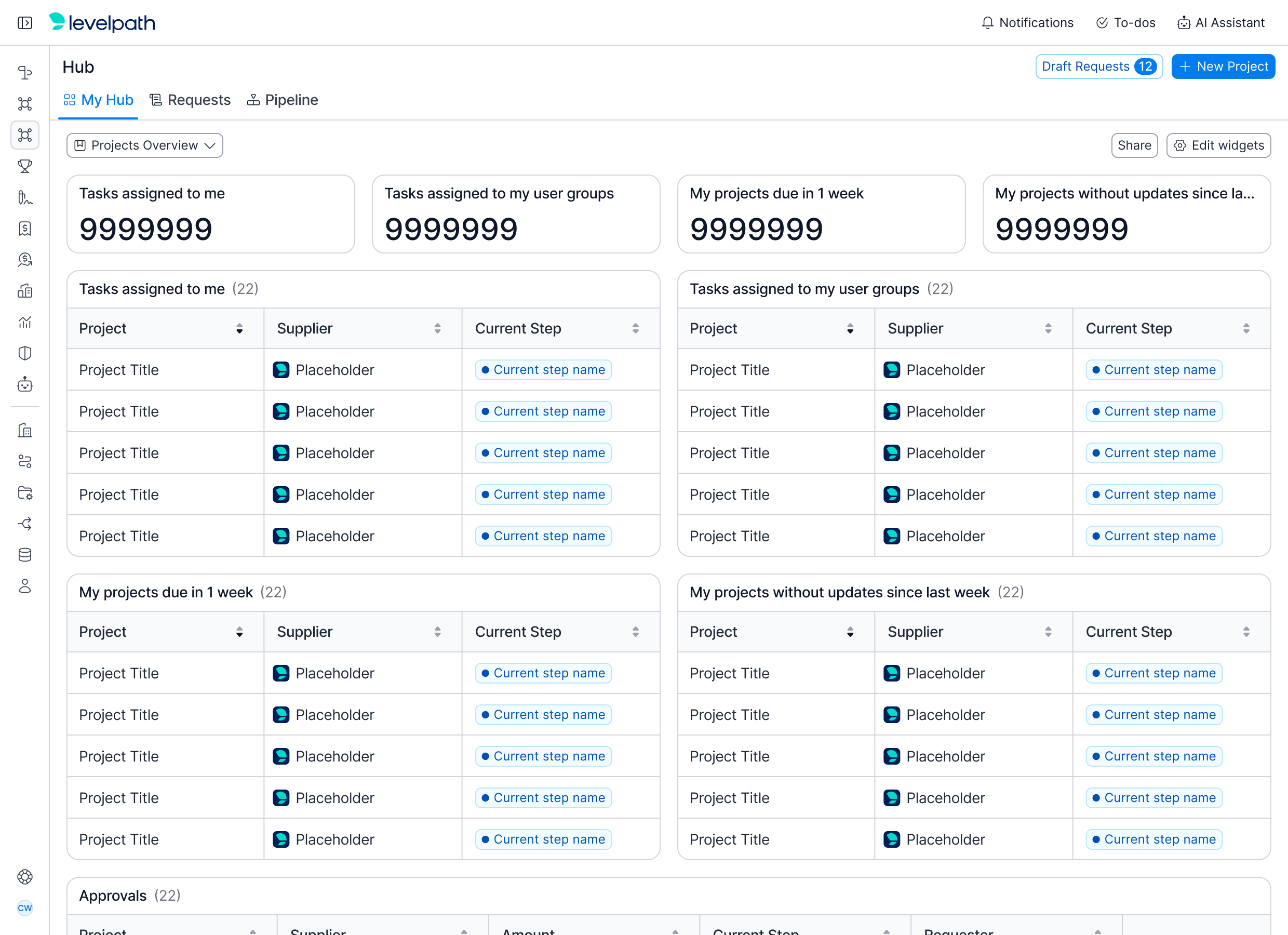
Levelpath Hub: task widgets and project tables
Levelpath · the Hub
40 → 140
people, in two years
~300
issues shipped per quarter
2
designers, my first year

A design system’s value is stability. This company’s only constant was change.

04 / 08 · Designed · before AI

Three times, I gave scattered decisions one home
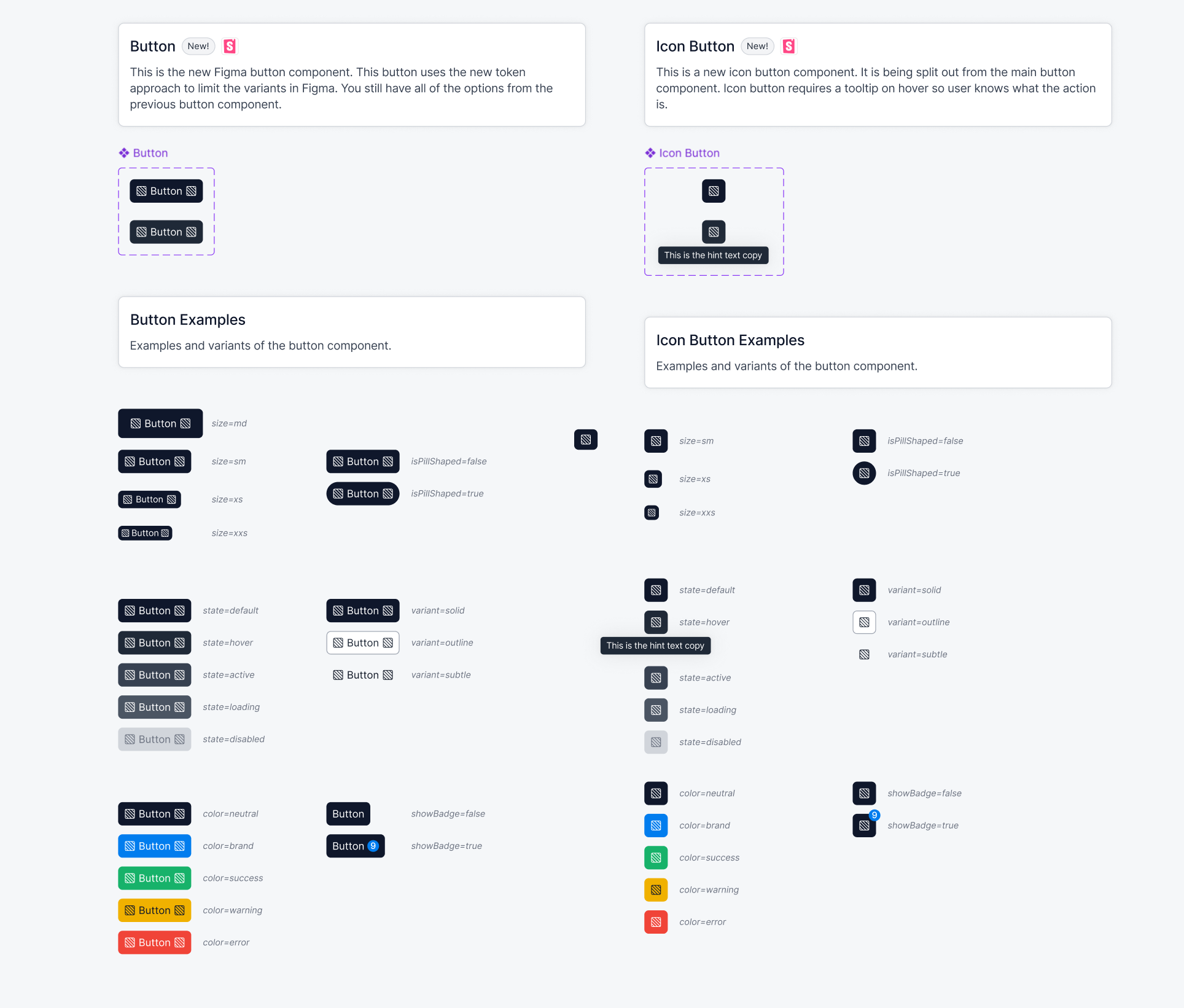
Design system button and icon button components with their variants
Design system · the button, rebuilt on tokens to cut its variants

Design system

The system I inherited

I walked into no documentation and no ownership. Component variants had multiplied, scattered across files with no clear structure.

Data Manager

One field, many surfaces

“What country are you located in?” on one screen, “What country is the user from?” on another — the same field, set up twice. Now it’s one field, worded however each screen needs.

Conditional Questions

Logic anyone can set up

Intake forms that branch on earlier answers, set up by people who aren’t technical — and the form still has to work.

05 / 08 · What owning one taught me

The system was never the fragile part. The agreement around it was.

I could write the rules. I couldn’t make people follow them — not at 5pm on a Friday with a deadline in the way. If people route around the system under pressure, that’s information about the system, not about them.

Then the tools changed.

06 / 08 · Built · with AI

Three builds, one problem — more guardrails each time

A two-week demo for a customer event, built without Figma, turned into Robby 5 v1 — a prototyping tool my whole team used. What it got wrong: it knew what things looked like, not what they meant, and nothing made it follow the rules.

So I rebuilt it on my own. Robby 5 v2 won’t build anything until it has read how the product works, and everything it makes is checked against the rules. It’s the first time the rules held.

Level Up · 2 wks

  • Color— included
  • Tokens— included

A demo on rails.

Robby 5 v1 · 2 months

  • Color— included
  • Tokens— included

Power, not rules.

Robby 5 v2 · 3 months, ongoing

  • Tokens— included
  • Component rules— included
  • Product context— included
  • Enforcement— included

The rules became the input.

I didn’t set out to prove a point about guardrails. I kept hitting their absence.

07 / 08 · The clock

Five and a half months on one problem

Level Up

2 wks

Robby 5 v1

2 mo

Robby 5 v2

3 mo & counting

At Levelpath

On my own

Five months ago I had never used Git. Now I maintain a codebase with automated tests, scored AI evaluations, a written decision log, and a block that stops the AI when it skips the product description.

08 / 08 · The ask

What I want next

Looking for product design work on AI tooling — teams building the thing, not adding a chat box to it.

I also design and build websites for clients. Site Work